
Selected experience
See how the work comes together.
Every challenge starts somewhere different. You may need to make a clearer decision, build something people can understand and use, improve how the work gets delivered, or connect all three. These case studies show the problem we were asked to help solve, what we did, and what changed. Each reflects the needs of that situation, not a preset package or template for your engagement.
Explore all work or filter by practice.
Some case studies involve more than one practice, so an example may appear under multiple filters.
Showing all 13 case studies.
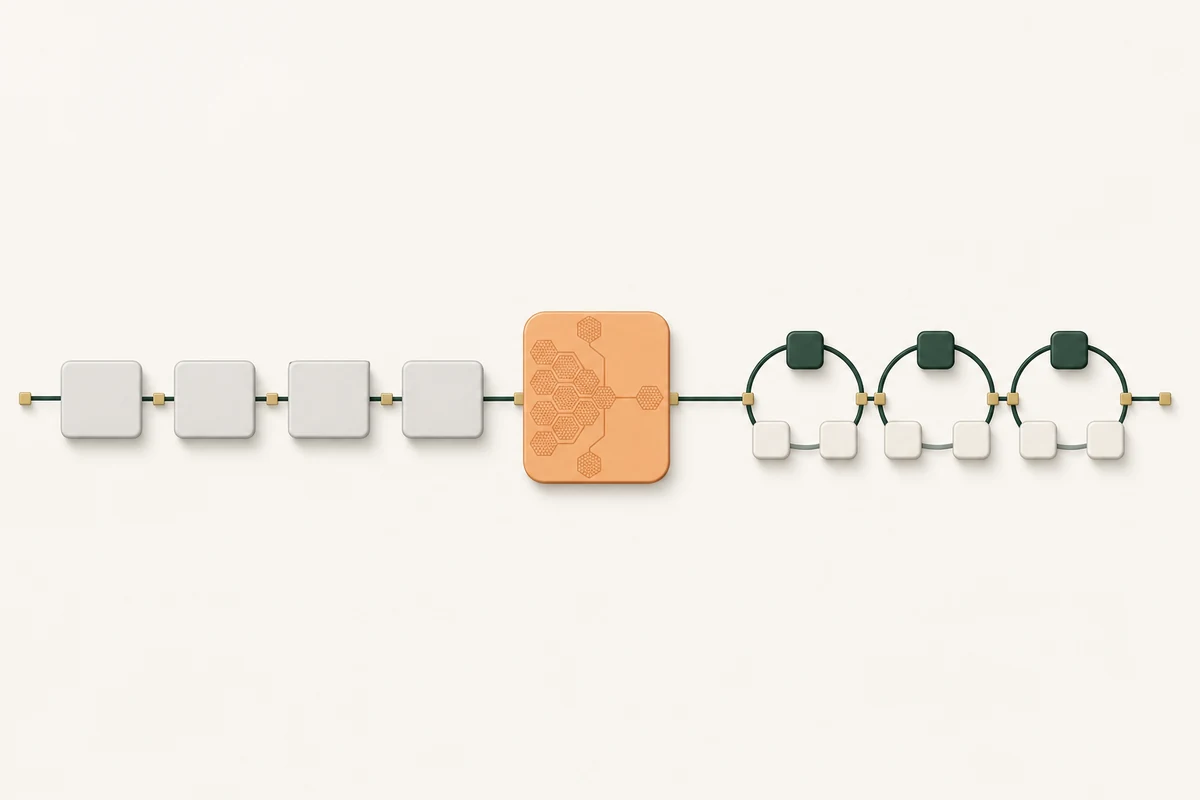
Transitioning to Agile to Support a Client Implementation
Transitioning to Agile to Support a Client Implementation
Challenge
A global travel booking platform was midway through a waterfall implementation. At the same time, new requests and defects kept adding to the backlog.
What we did
Changed the delivery approach
We shifted the implementation from a fixed waterfall sequence to an agile rhythm that could adapt as needs changed.
Created a shared way to prioritize
We gave the team a common way to evaluate new requests and defects, making it easier to decide what should come next.
Established a steady cadence
We introduced a repeatable build-and-review rhythm to carry the work through launch and into ongoing operations.
Outcomes
- Supported the on-time launch of the minimum viable product.
- Gave the delivery team a steadier path into ongoing operations.

Implementing Organizational Quality
Implementing Organizational Quality
Challenge
A national healthcare plan was preparing to launch a new application. Before release, it needed to address quality gaps and create a more consistent approach across the organization.
What we did
Made quality a shared responsibility
We trained the team around a common quality mindset instead of leaving quality to one role or a final review.
Clarified ownership and incident response
We established clearer quality ownership and a consistent way to identify, manage, and respond to incidents.
Used defects to guide improvement
We introduced defect monitoring so the organization could use evidence to make decisions and improve quality over time.
Outcomes
- Established a common approach to incident management.
- Equipped the organization to monitor and improve quality over time.
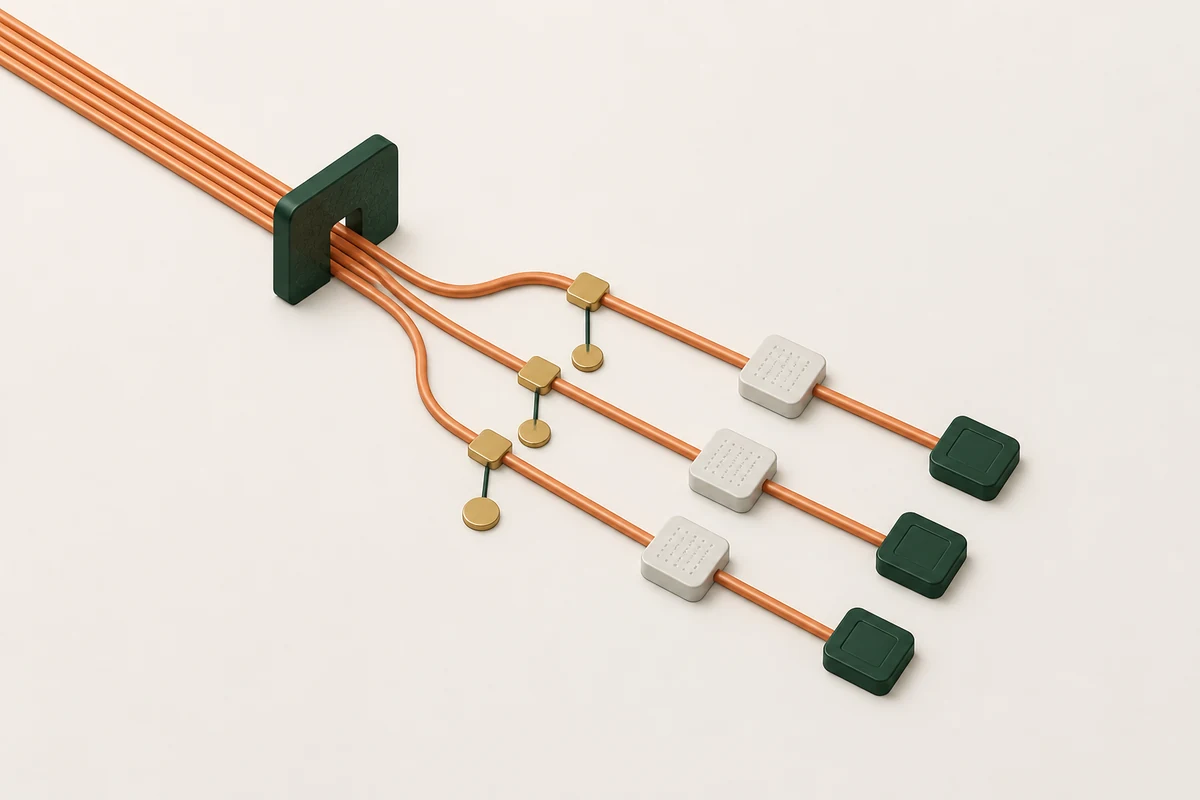
Building the Operations for a New Revenue Stream
Building the Operations for a New Revenue Stream
Challenge
A Fortune 100 retail company grew quickly after winning a key contract. The growth led to delivery failures, miscommunication, and strain in an important client relationship.
What we did
Aligned the delivery team
We brought working schedules and delivery responsibilities into a clearer shared structure.
Made the work visible
We moved tracking out of email and into a shared tool, giving the team one place to see and coordinate the work.
Created a communication rhythm
We established a visible delivery roadmap and a common reporting cadence to support team coordination and client communication.
Outcomes
- Established a clearer delivery cadence and shared view of the work.
- Helped rebuild confidence through more consistent communication.
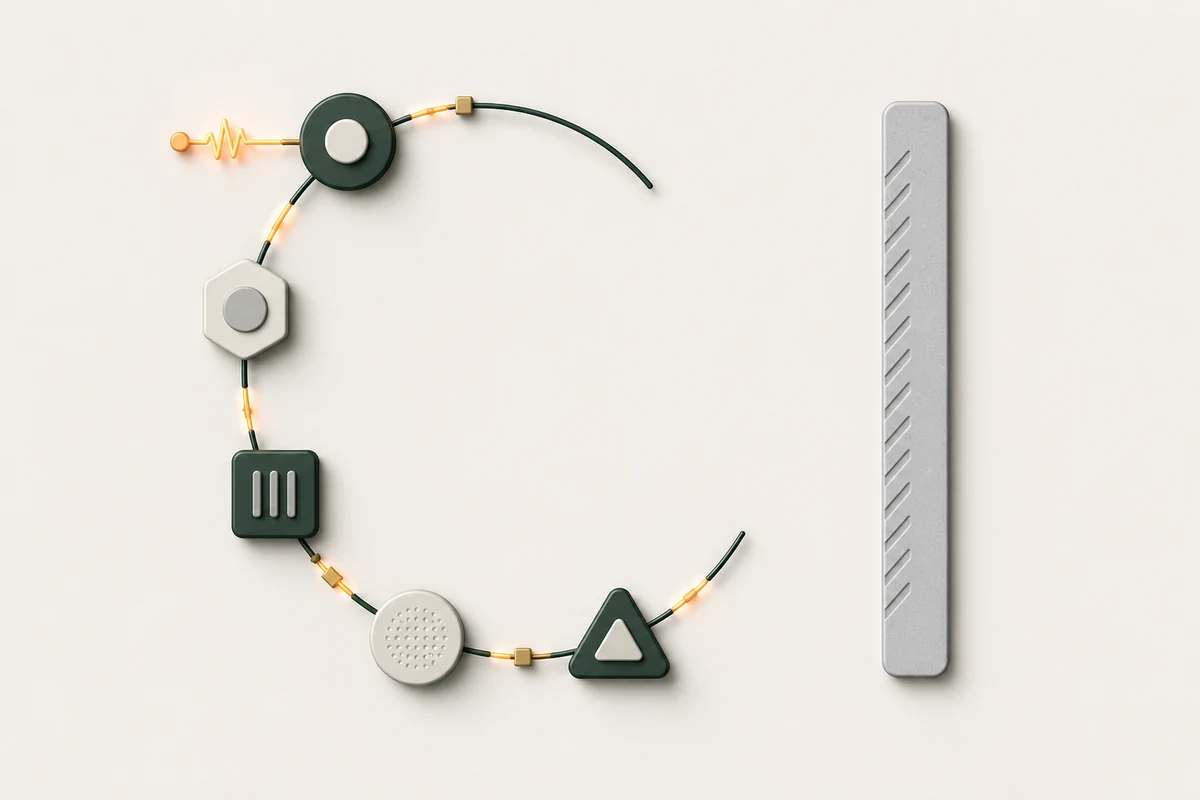
Helping a Team Work More Proactively
Helping a Team Work More Proactively
Challenge
A professional services team didn’t have consistent quality practices. This frustrated clients and kept the team reacting to problems instead of getting ahead of them.
What we did
Made quality part of the team’s work
We introduced a shared craftsmanship mindset that connected experience and development work around a common expectation of quality.
Turned improvement into a practical roadmap
We tied quality priorities directly to delivery work instead of treating quality as a separate initiative.
Clarified ownership
We revised the engagement model to make oversight and responsibility clear, giving the team a more proactive way to handle defects and incidents.
Outcomes
- Strengthened team ownership of quality.
- Established a more proactive approach to defects and incidents.
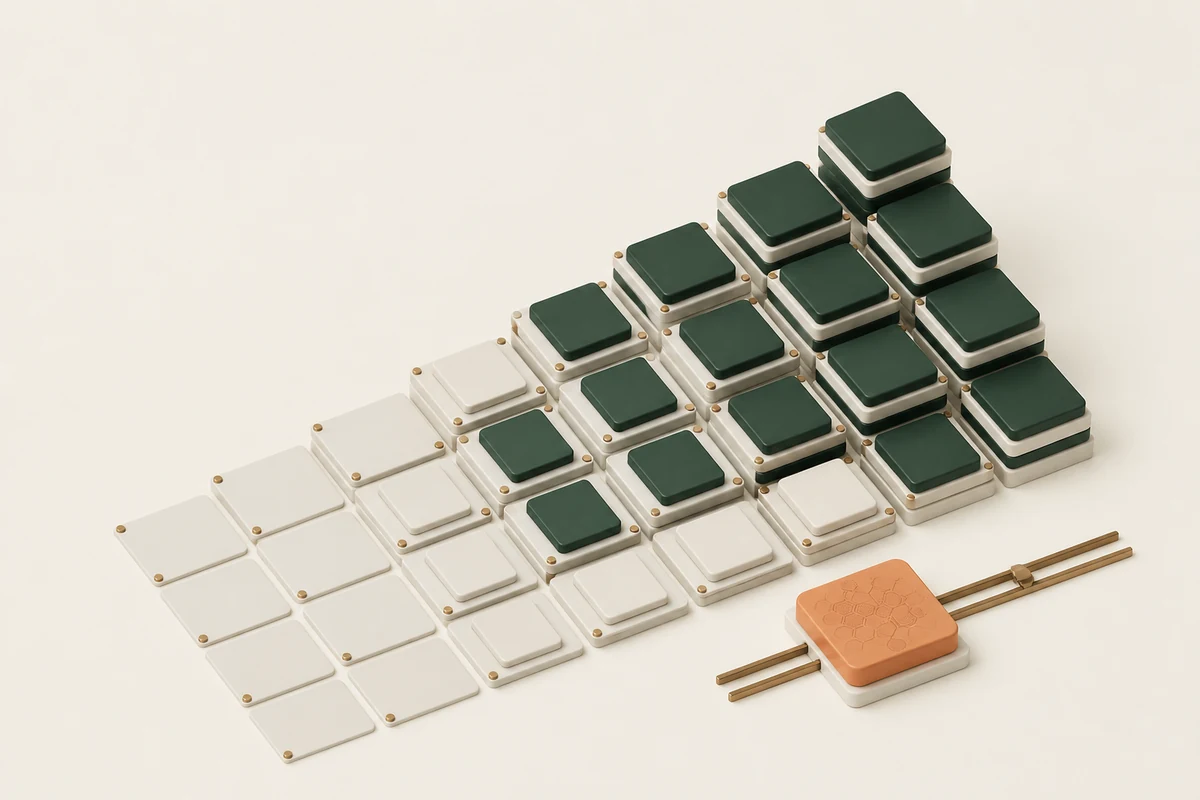
Adding Structure as a Startup Grows
Adding Structure as a Startup Grows
Challenge
A fintech startup needed more operating structure without losing the flexibility to adapt as the company grew.
What we did
Connected long-term direction with near-term work
We linked annual planning with quarterly objectives so the team’s immediate priorities stayed connected to the company’s longer-term direction.
Added structure without making it rigid
We clarified roles and core processes so people could coordinate their work while leaving room for the organization to evolve.
Made work and decisions easier to see
We supported tool adoption that gave the growing team a shared view of activity and decisions.
Outcomes
- Created a repeatable planning and operating structure.
- Preserved room for the model to evolve as the company grew.

Strengthening Client Delivery
Strengthening Client Delivery
Challenge
A services organization needed a clearer way to develop and sustain an important client relationship.
What we did
Clarified the value and expectations
We defined the team’s value, capabilities, and delivery expectations, giving the relationship a clearer foundation.
Prepared the team to deliver
We used employee training and structured assessments to develop the capabilities the work required and create a more consistent approach to delivery.
Connected the client relationship to daily work
Delivery leadership linked relationship needs with day-to-day execution, helping keep expectations and operating decisions aligned.
Outcomes
- Established a clearer client-delivery model.
- Improved alignment between relationship management and day-to-day work.
Building a Clearer Product Development Lifecycle
Building a Clearer Product Development Lifecycle
Challenge
A design agency’s product development lifecycle didn’t provide a complete path from an initial idea to a minimum viable product. Teams also weren’t using the process consistently.
What we did
Redesigned the path
We reworked the lifecycle and its supporting agreements to create a more complete route from idea to minimum viable product.
Gave the process a usable home
We centralized the documentation in an accessible working tool, making the lifecycle easier for teams to find and use.
Planned for adoption
We paired the new process with structured change management, addressing team behavior as well as the lifecycle itself.
Outcomes
- Established a more complete, shared product development process.
- Improved alignment between the lifecycle, tools, and team behavior.
Using AI to Support Health Outreach
Using AI to Support Health Outreach
Challenge
A national healthcare plan wanted to use participant health data to identify timely opportunities for outreach. It also needed a clear process for turning those opportunities into action.
What we did
Defined what should trigger attention
We established criteria for identifying relevant participant needs. This gave the outreach process a clear purpose and helped the team recognize when action might be useful.
Designed the path from data to communication
We created an AI-supported process that connected source data with targeted messaging. This turned an analytical signal into a practical path for participant outreach.
Made the process repeatable
We established a consistent review and outreach cadence, connecting the identification of an opportunity with its review and the communication that followed.
Outcomes
- Created a more consistent way to identify outreach opportunities.
- Connected insight generation with an actionable communication process.
Building Regional Momentum for a Global Premium Brand
Building Regional Momentum for a Global Premium Brand
Challenge
A creatively ambitious global premium spirits brand needed to grow across an 18-state region. The team had to turn global storytelling into disciplined local execution without losing what made the idea distinctive.
What we did
Made the global idea relevant locally
We translated the global positioning into market-specific activation plans. Brand-building activity stayed connected to distribution, account development, and revenue priorities.
Turned the story into an account experience
We created partnerships and experiences that gave accounts a reason to participate in the brand story and share it with others.
Added structure to regional execution
We developed seasonal roadmaps, briefs, quarterly business reviews, and a playbook system to improve alignment across markets and commercial partners.
Outcomes
- Supported 11% year-over-year regional revenue growth.
- Connected the brand narrative to distributor priorities, account targeting, channel plans, and regional execution.
Making Luxury Storytelling Commercially Useful
Making Luxury Storytelling Commercially Useful
Challenge
A luxury spirits portfolio needed a credible way to show what made it premium to consumers, trade partners, accounts, and sales teams.
What we did
Made the value something people could experience
We used sensory experiences, pairings, and cultural partnerships to bring the portfolio’s premium value to life.
Made the story useful in the market
We turned the brands’ heritage into clear selling stories, education, and relationship-building opportunities for consumers, trade partners, accounts, and sales teams.
Built programs that could adapt and repeat
We created modular programs for dinners, tastings, retail, and high-value consumer engagement. Each could adapt to its setting while staying connected to commercial priorities.
Outcomes
- The portfolio gained a repeatable way to turn its heritage into experiences that supported relationships and sales. The work contributed to strong national revenue growth and generated substantial rare whisky sales through storytelling, experiences, and relationship development.
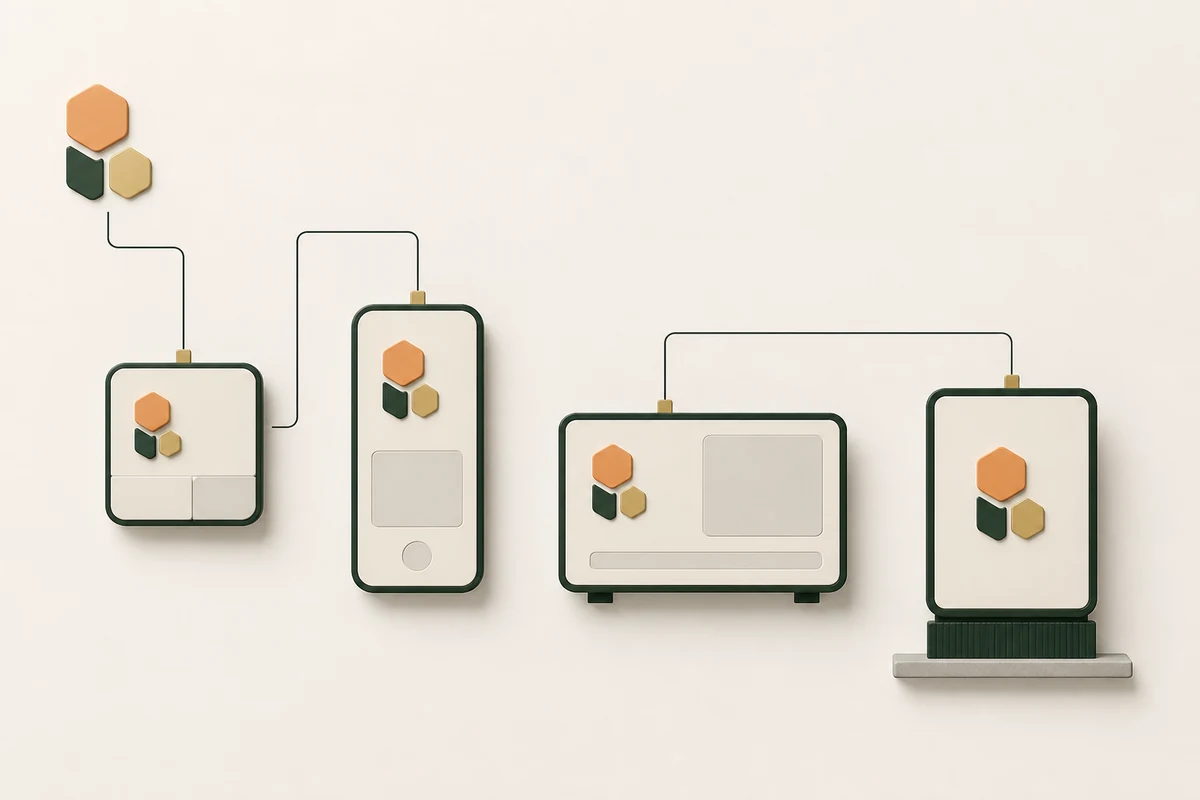
Building a Brand Idea for Real Channels
Building a Brand Idea for Real Channels
Challenge
A men’s fashion brand needed a precise, confident position that could work across products, campaigns, and channels without sounding clinical or generic.
What we did
Made the proposition precise and human
We framed precision as a benefit while keeping the voice direct, approachable, and distinct from typical category language.
Created a flexible identity
We developed a simple, ownable symbol and paired technical confidence with a lifestyle context. This allowed the idea to work across both compact and large formats.
Designed the brand for real channels
We considered channel and launch needs from the beginning, connecting the creative foundation to the places where people would encounter it.
Outcomes
- Gave the brand a clear proposition, flexible visual system, channel logic, and launch framework.
- Created a practical foundation for further creative development and commercial and market validation.
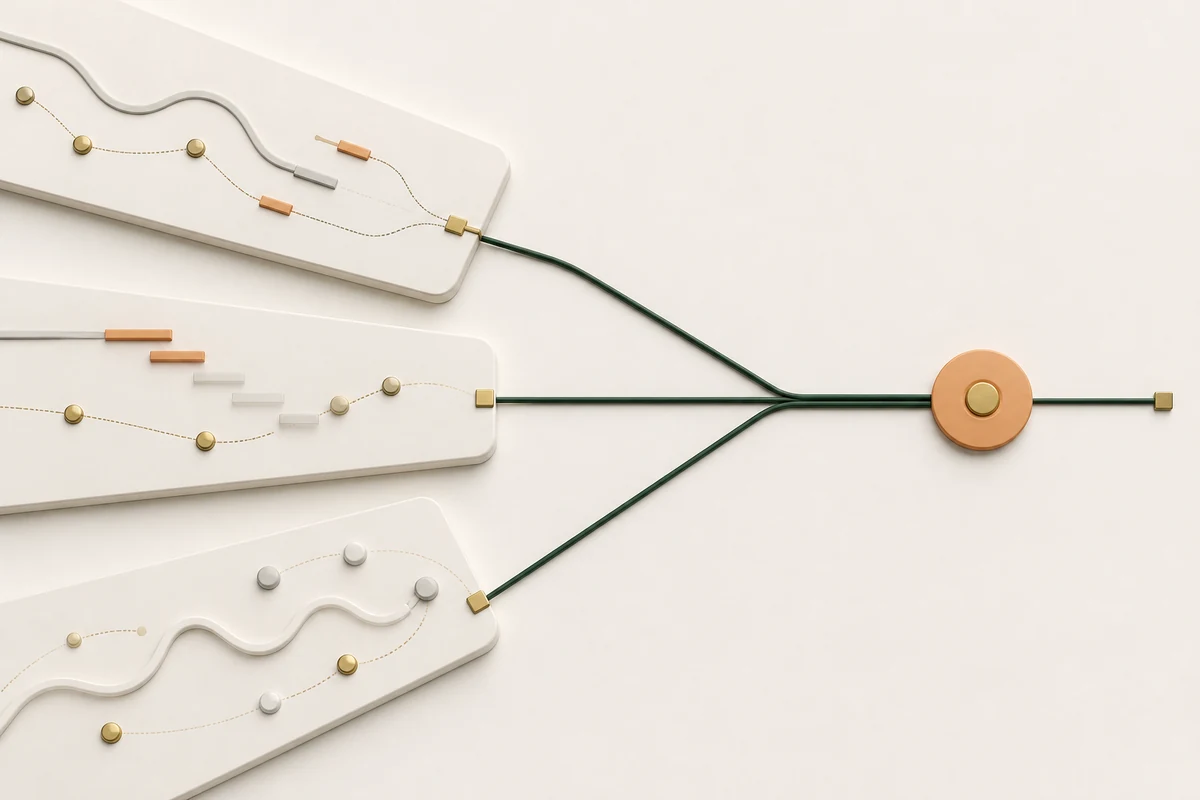
Turning Commercial Complexity Into Clearer Decisions
Turning Commercial Complexity Into Clearer Decisions
Challenge
A regional distillery's commercial plans were spread across disconnected spreadsheets, decks, pricing assumptions, market knowledge, and recurring conversations. The information existed, but the next useful action was difficult to see.
What we did
Started with the decisions
We organized the planning problem around the choices the commercial team needed to make. The flow connected growth targets, depletion requirements, account actions, budgets, forecast pacing, and longer-term implications. Shared scenario assumptions made it easier to compare alternatives.
Built tools around the commercial logic
We created prototype interfaces for spirits pricing, shipment and depletion planning, forecast pacing, and workflow design. AI-assisted development accelerated the prototypes, while the underlying logic remained grounded in commercial field experience.
Connected the inputs into a repeatable path
The prototypes brought previously scattered information into a clearer decision sequence. They showed how commercial knowledge could support a more consistent workflow and a shared view of the assumptions behind each choice.
Outcomes
- The prototypes made pricing simulation, depletion planning, forecast pacing, and workflow design easier to see and explore.
- They showed how commercial expertise could become a clearer, more repeatable decision system.
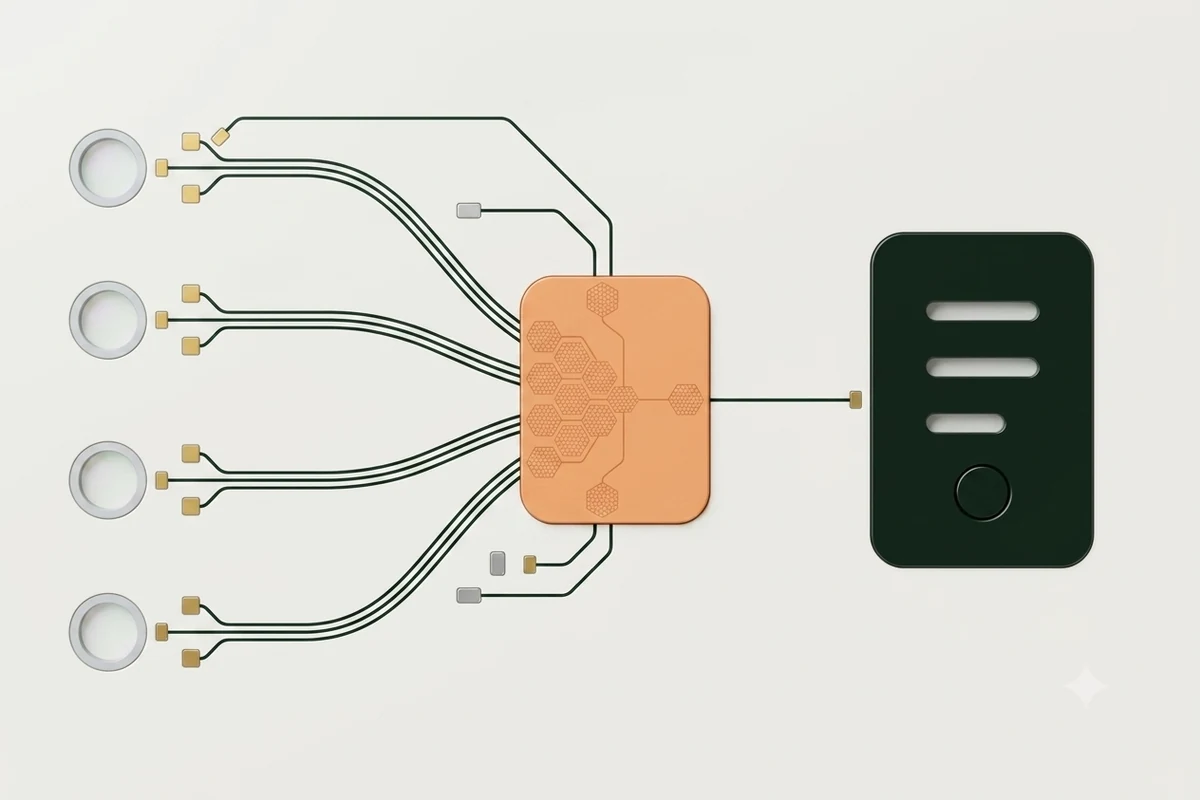
Making a Service Business Easier to Understand and Choose
Making a Service Business Easier to Understand and Choose
Challenge
A professional services company needed a clearer way to explain what it does, organize its offer, and show buyers why its connected model matters.
What we did
Organized the offer around client goals
We used positioning and service architecture to structure the offer around what clients were trying to achieve, rather than an internal list of capabilities.
Created a clear message hierarchy
We developed a message structure that connected the company’s positioning, services, and value across presentations, the website, and sales conversations.
Designed a visual system to support the story
We created a restrained color and visual system that communicated confidence and structure without competing with the broader message.
Outcomes
- Gave the company a clearer service structure for presentations, the website, and sales conversations.
- Made it easier for buyers to understand how strategic decisions, designed experiences, operating systems, and execution fit together.
What are you trying to move forward?
Your situation will have its own starting point. Tell us what you’re trying to build, change, or improve, what’s getting in the way, and what a useful result would look like.
Start a conversation